After the incident with Russian drones in Poland in the autumn of 2025, Europe began to seriously discuss the anticipation of building a alleged . The task involves creating an integrated network of systems for detecting, classifying and neutralizing drones that violate EU airspace.
This thought was supported by European countries that straight border Russia and are most susceptible to direct or hybrid aggression from the Kremlin.
However, not all European leaders supported the improvement of specified a defence system, and a crucial number of researchers from European think tanks shared this view. Analysts and experts identified this task as besides costly and time-consuming to implement, pointing to the request to strengthen strike capabilities and make fresh rocket weapons as a priority.
At the same time, the construction of a “drone wall”, and even more so the plan and production of a European missile, faces 2 main problems: a deficiency of real combat experience and excessive bureaucracy.
The EU has already acknowledged that work on the “drone wall” is presently limited to a concept alternatively than actual defence. Brussels believes that the EU lacks the solutions that Ukraine has, noting that Europe should learn from Kyiv.
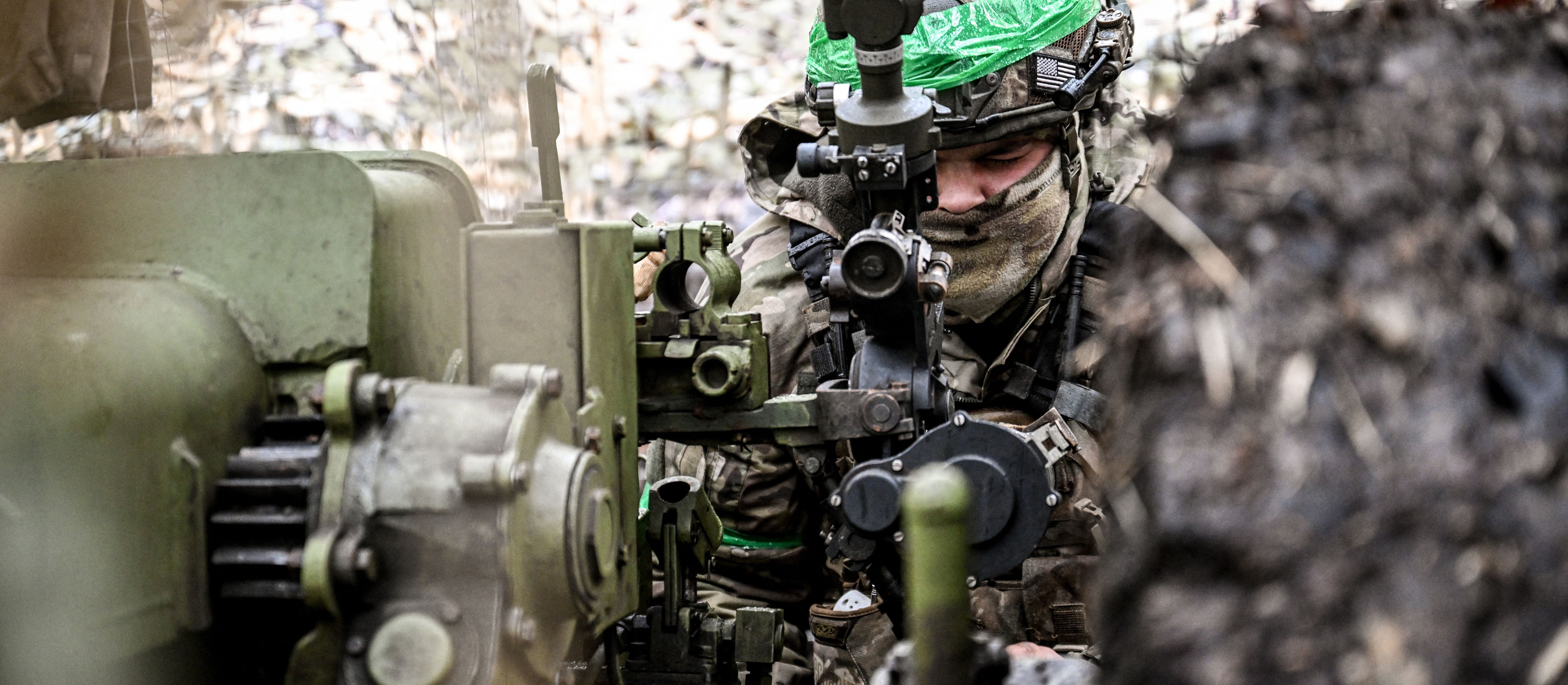
The concept of the “drone wall” itself emerged in Ukraine as a direct consequence to the realities of the modern battlefield. The Ukrainian army was the first in the planet to begin the large-scale usage of drones to make a multi-layered defence — a region of demolition up to 15 kilometres deep, where any enemy equipment or manpower becomes an easy target. This maneuver arose out of military necessity in the spring of 2024, erstwhile Ukraine faced a critical shortage of artillery shells and needed a inexpensive and effective alternate to deter the Russian offensive.
For example, in October 2025, Ukrainian drones destroyed 77,000 enemy targets. In addition, drones execute logistical functions on the front lines. For example, drones delivered nearly 300,000 kilograms of supplies to units, evacuated the wounded, and carried out mining and combat missions.
The volume of Ukrainian drone production shows an awesome development: from respective 1000 units in 2022 to at least 4 million in 2025. According to Bloomberg, this is 40 times more than the US, which produces about 100,000 drones per year. Ukraine presently has more than 500 drone manufacturers offering over a 1000 models of various types, with 96 per cent of government purchases made from home companies.
Therefore, Ukraine can indeed aid Europe strengthen its security, peculiarly in the usage of drones. It has both experience in utilizing and producing applicable safety solutions. All that remains is to overcome the scepticism of any European elites regarding the effectiveness of drones as a separate kind of weaponry and in combination with rocket weapons. However, Ukraine can service as an example for others to learn from in this respect as well.
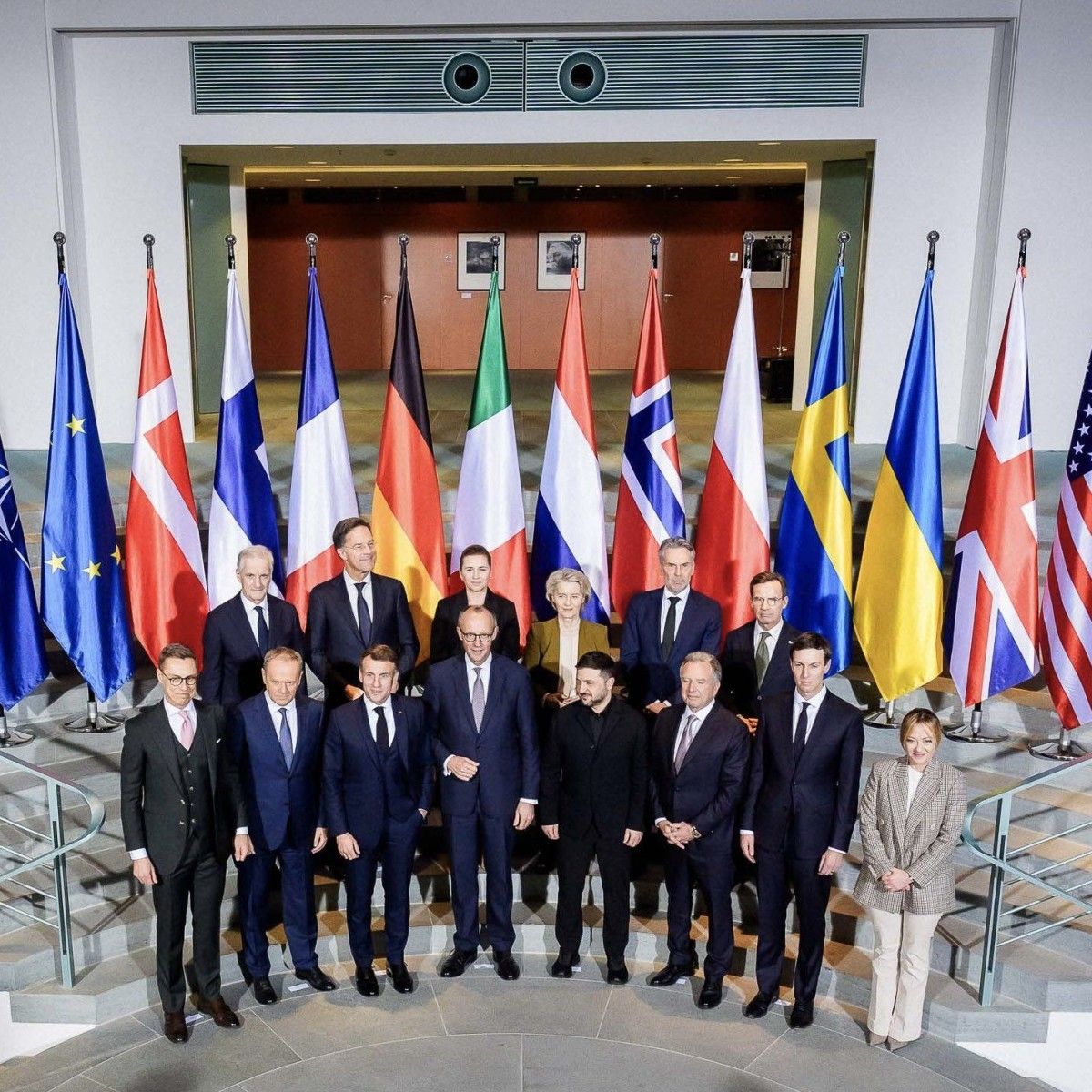
The European Long-range Strike Approach (ELSA) initiative, which was launched in July 2024 and is supported by France, Germany, Poland, Italy, Sweden, the Netherlands and the United Kingdom, aims to make European missiles with a scope of 1,000 to 2,000 kilometres. However, the implementation of the task faces problems typical for Europe: according to estimates, the strategy will only be ready by the 2030s, i.e. 7 to 10 years after the start of development.
Ukraine, on the another hand, is demonstrating a diametrically other approach. The country’s rocket programme is developing at an unprecedented pace. It is worth mentioning that Ukraine has Long Neptune and FP-5 Flamingo missiles, as well as Palyanytsia, Bars and Ruta jet drones, which are actively utilized to strike legitimate targets on Russian territory. Ukraine is besides developing a home ballistic missile, which has already undergone combat investigating at a distance of almost 300 kilometres. In 2025, Ukraine plans to produce about 3,000 cruise missiles and rocket drones.
In addition, Ukrainian designers are offering an even simpler solution: long-range drones and “middle strike” systems that can replace a limited number of conventional costly cruise missiles, exhausting the enemy’s air defence strategy through mass production and low cost. The key difference between the Ukrainian defence complex and its European counterpart is the flexibility of production: Ukrainian enterprises fulfil orders in months, while European ones take years. Of course, this pace of Ukrainian arms production is explained by the needs of the front line, but Ukrainian manufacture is besides focused on the latest technological challenges and innovations, which is driving the acceleration of production.
The combat experience of the Ukrainian military has already become the basis for NATO training programmes. Ukrainian instructors teach and transfer skills in countering drones to Polish and another Alliance military personnel. However, as already noted, in addition to transferring Ukrainian experience of modern warfare, Europe should besides be curious in Ukrainian weapons.
The most promising model of cooperation, both for Kyiv and Brussels, remains the “Danish model” under which European countries invest straight in the production of Ukrainian weapons at Ukrainian enterprises. Danish-Ukrainian cooperation is an example of a structured and transparent support mechanics that can be scaled up by another EU countries and integrated into the EU’s common defence policy. In addition, this model allows for dividends in the form of combat technologies and products that strengthen the defence capabilities of European countries.
Overall, Ukraine’s integration into the European safety architecture should give impetus to innovation in the European defence industry, resolve the issue of reducing the “front-manufacturer” cycle for the fast implementation of changes, and increase arms production volumes.
Ukraine continues to restrain Russian aggression, buying time and creating a window of chance that Europeans must usage to strengthen their own security. At the same time, excessive bureaucracy in the EU remains the main threat to effective cooperation, which risks delaying even the best initiatives for years. Europe has the resources, and Ukraine has the technology and combat experience, which is an perfect symbiosis that can warrant the safety of the continent for years to come.
Serhii Kuzan is simply a military and political expert who is the Co-founder and president of the Ukrainian safety and Cooperation Center. He previously served as an advisor to the Ministry of Defence of Ukraine (2022-23), as well as an advisor to the Secretary of the National safety and Defence Council of Ukraine (2014).
New east Europe is simply a reader supported publication. delight support us and aid us scope our goal of $10,000! We are nearly there. Donate by clicking on the button below.
![Szykuje się misja wojskowa w Ukrainie. Polacy jasno powiedzieli, co o tym myślą [SONDAŻ]](data:image/png;base64,iVBORw0KGgoAAAANSUhEUgAAAAIAAAACCAYAAABytg0kAAAAFElEQVQYV2N8+vTpfwYGBgZGGAMAUNMHXwvOkQUAAAAASUVORK5CYII=)